Hook – Why the “AI Agent” hype needs a non‑developer shortcut
Enterprises are racing to embed autonomous agents into sales pipelines, knowledge bases, and customer‑support workflows. Yet 80 % of business units lack in‑house ML engineers, creating a bottleneck that stalls adoption. The answer isn’t more hiring—it’s democratization: visual builders, natural‑language prompts, and drag‑and‑drop orchestration that let product managers, marketers, and analysts spin up agents in minutes. In 2026, the market has converged on a handful of platforms that deliver exactly that.
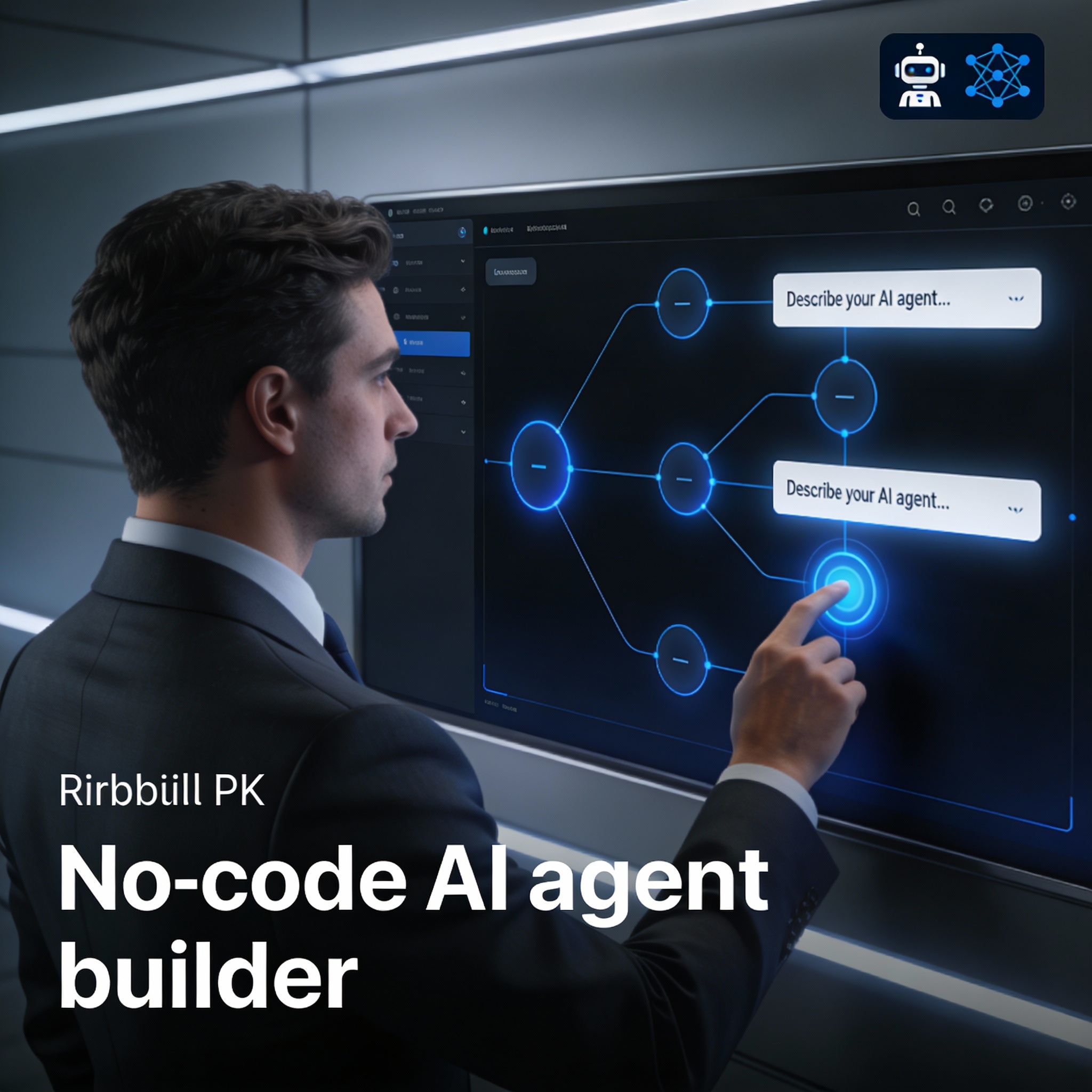
Contenders – The five platforms that made the cut
| # | Platform | Core Value Proposition |
|---|---|---|
| 1 | Agentforce Builder (Salesforce) | Low‑code visual canvas + NL‑prompt generation; tight integration with the Salesforce ecosystem for end‑to‑end CRM automation. |
| 2 | CrewAI (no‑code UI) | Zero‑code multi‑agent editor; role‑based agents (Planner, Researcher, etc.) that mimic open‑source Deep Research workflows. |
| 3 | Dify | Pure no‑code workflow builder with built‑in tool/API connectors; scales from prototype to production without code. |
| 4 | n8n | Open‑source automation hub extended for AI agents; 1 000+ native integrations, drag‑and‑drop orchestration. |
| 5 | Ruh AI | Starter‑kit approach with NL‑agent creation; pre‑wired CRM & marketing integrations plus enterprise‑grade security. |
All five satisfy the democratization criteria identified in recent research: visual authoring, natural‑language configuration, multi‑agent coordination, and a path from prototype to 24/7 production.
Comparison Table
| Tool | Key Features | Pricing* | Pros | Cons |
|---|---|---|---|---|
| Agentforce Builder (Salesforce) | Low‑code visual builder; NL prompts generate agent configs; multi‑agent workflows; optional code extensions | Enterprise‑tier (bundled with Salesforce plans) | Beginner‑friendly + deep CRM power; high user ratings (4.5 ★) | Requires Salesforce ecosystem; potential vendor lock‑in |
| CrewAI (no‑code UI) | Zero‑code editor; role‑based agents; synthetic task prototyping; open‑source core | Free (open‑source); hosted plans not disclosed | One‑command deployment; cost‑effective; strong for collaborative research/content | Complex setups may need Python tweaks; base version lacks enterprise security features |
| Dify | Visual workflow builder; API/tool connectors; collaboration & decision‑making apps | Free tier; paid plans for scale (details TBD) | Fully no‑code; from prototype to production; optional developer extensions | Governance & audit features less mature; limited multi‑agent specialization |
| n8n | Drag‑and‑drop automation; 1 000+ integrations; AI‑agent extensions; self‑hosted or cloud | Open‑source (self‑hosted); cloud from ~ $20/mo | Massive integration library; 24/7 operation; low entry cost | Not a dedicated agent reasoning engine; steep learning curve for advanced agents |
| Ruh AI | No‑code starter kits; NL agent creation; CRM (Salesforce, HubSpot) connectors; SOC 2/GDPR compliance | Enterprise pricing (not public) | Strong security & compliance; 24/7 uptime; easy for non‑tech users | Higher cost for compliance; smaller open‑source community |
*Pricing is indicative; always verify the latest plans on the vendor site.
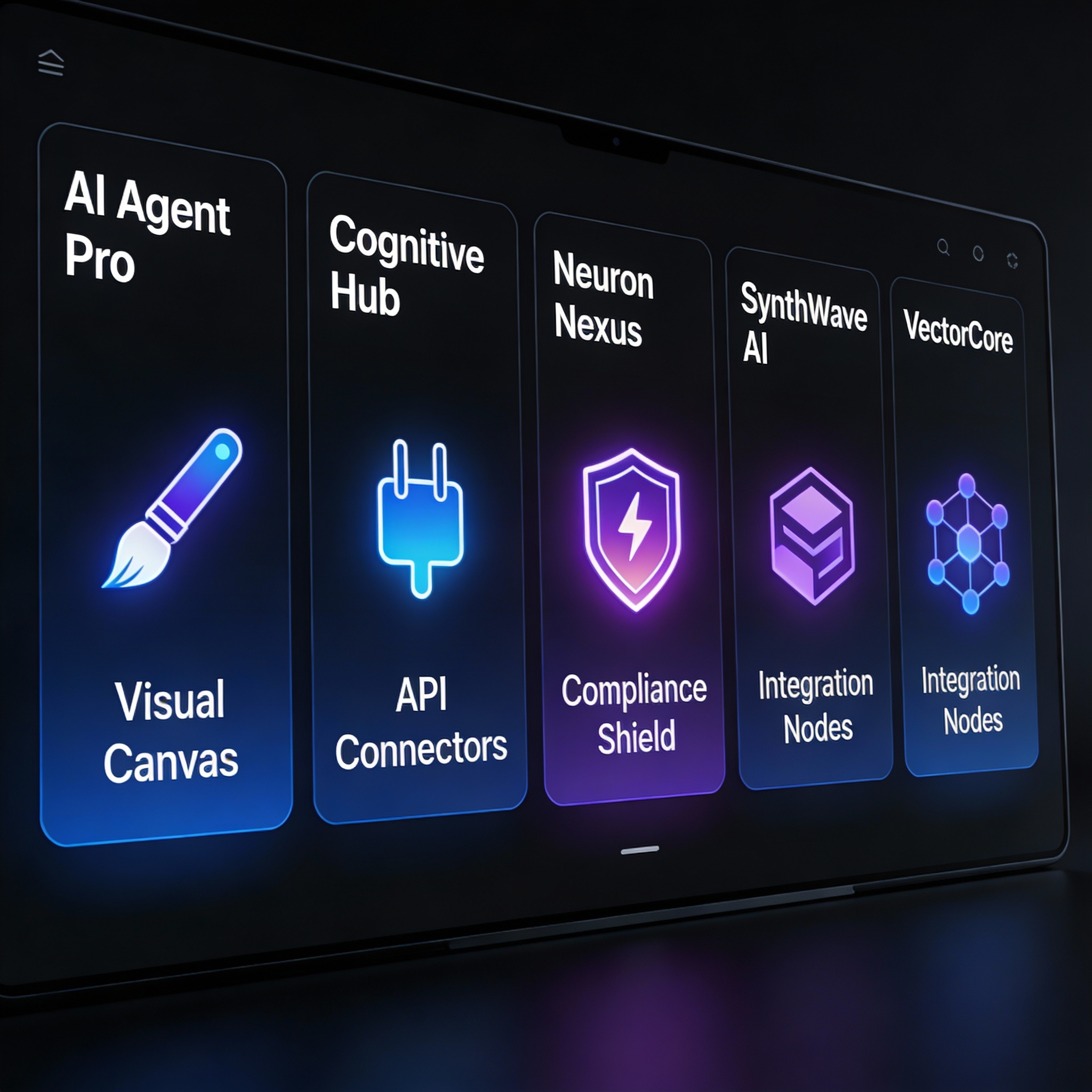
Deep Dive – How the platforms solve the core challenges
1. Human‑in‑the‑Loop Moderation & Persistent Memory
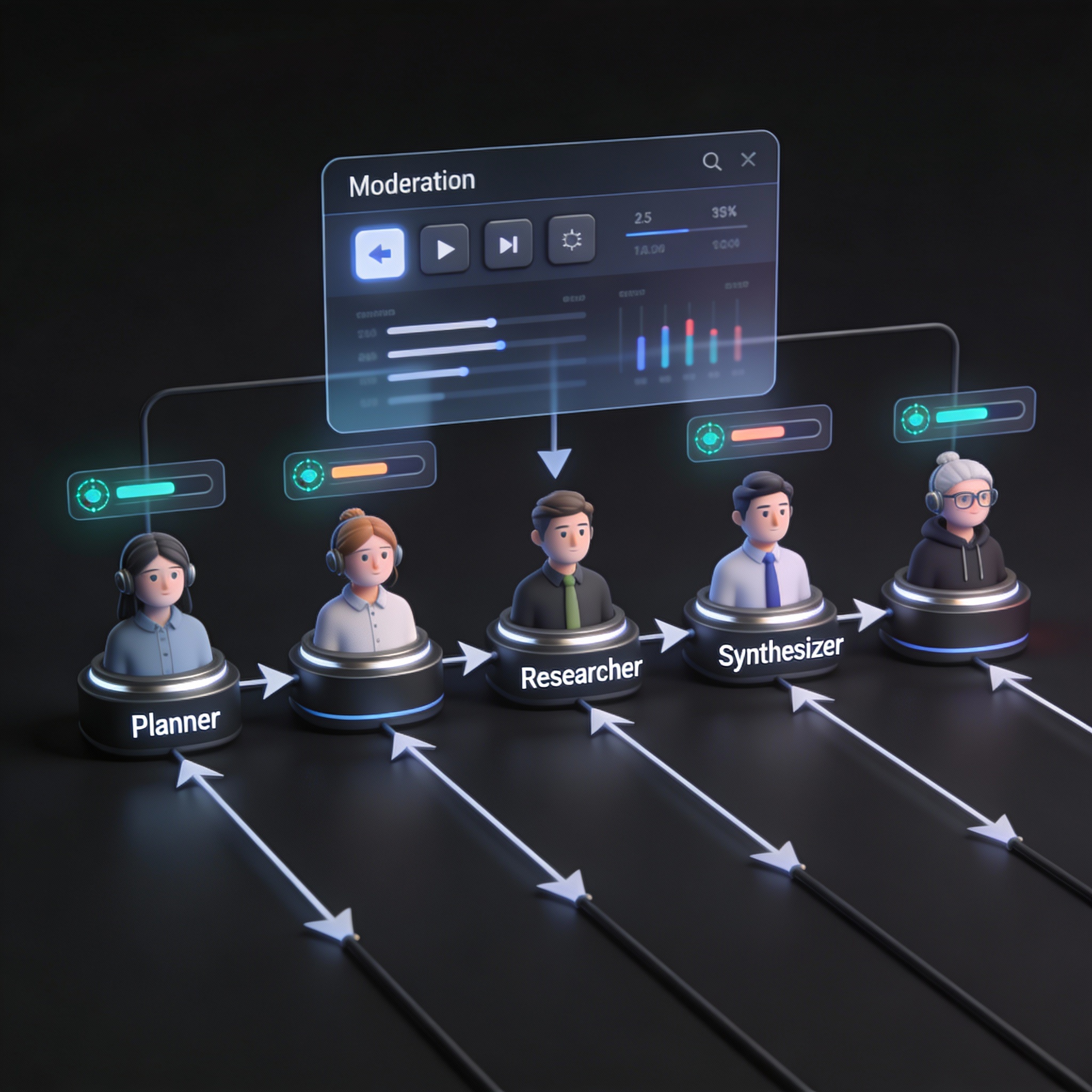
- Agentforce and Ruh AI embed moderation panels that let non‑technical users approve or reject agent actions in real time.
- CrewAI stores session memory automatically, enabling agents to reference prior steps without code.
2. Real‑Time Streaming & Multi‑Agent Coordination
- Dify and n8n expose streaming endpoints that UI designers can hook into dashboards, delivering live updates to end users.
- CrewAI’s role‑based architecture (Planner → Researcher → Synthesizer) demonstrates out‑of‑the‑box coordination without scripting.
3. Tool & API Integration Made Simple
- n8n wins on sheer breadth: pre‑built connectors for Slack, Google Sheets, AWS, etc., all configurable via a node UI.
- Agentforce leverages Salesforce’s existing data model, turning CRM objects into agent “knowledge bases” with a single click.
4. From Prototype to Production
- Dify offers a “publish” button that spins up a managed endpoint, handling scaling, logging, and versioning automatically.
- Ruh AI provides enterprise‑grade SLAs, audit logs, and compliance certifications, making it ready for regulated industries.
5. Governance & Auditability (the missing piece)
- Most platforms still rely on external logging or custom extensions for full audit trails.
- Organizations should pair any no‑code builder with a lightweight governance layer (e.g., CloudTrail, Splunk) to capture agent decisions, especially when dealing with PII or financial data.
Verdict – Which tool fits which use case?
| Use Case | Recommended Platform | Rationale |
|---|---|---|
| CRM‑centric automation (lead scoring, follow‑up) | Agentforce Builder | Deep native Salesforce integration; minimal setup for sales ops. |
| Content research & synthesis for marketing teams | CrewAI | Role‑based agents mimic research pipelines; free core lowers budget barriers. |
| Cross‑departmental workflow automation (HR, finance, IT) | n8n | 1 000+ connectors + self‑hosted option gives IT control and extensibility. |
| Rapid prototyping of decision‑support apps | Dify | Pure no‑code UI, instant publishing, and optional developer hooks for later scaling. |
| Enterprise compliance (SOC 2, GDPR) with 24/7 uptime | Ruh AI | Built‑in compliance, enterprise SLAs, and secure multi‑agent kits. |
Bottom line: The democratization of AI agents is no longer a buzzword—it’s a concrete capability delivered by a mature ecosystem of no‑code/low‑code platforms. By matching the right tool to the business problem, non‑developers can now launch autonomous agents that were once the exclusive domain of data scientists. The next wave of productivity will be measured not by how many lines of code you write, but by how quickly a product manager can describe an agent and watch it run.